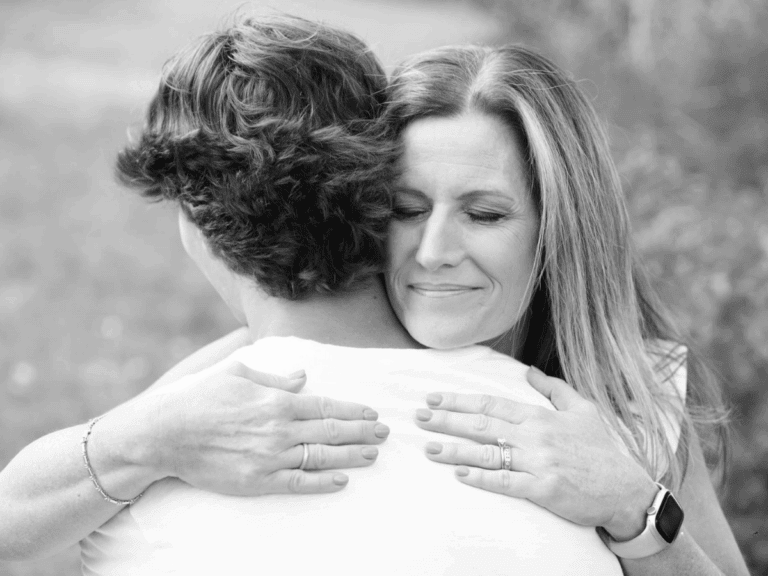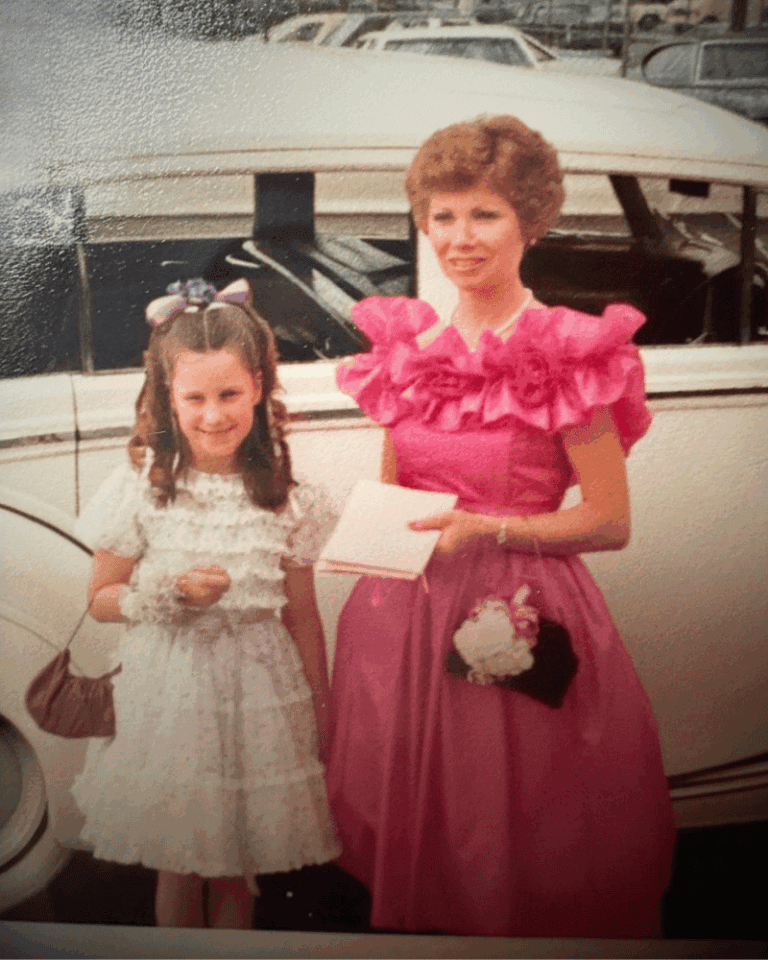

I can still hear her on the phone with her sister, her voice easy and matter-of-fact, like she was just giving her usual weather report.
“Oh, I’m just staying with Lynn for a little while. So she doesn’t have to drive back and forth in the winter. It’s easier for her.”
She said it so simply. Like it was temporary. Like she would go home when the snow melted, back to her own house thirty minutes away, back to her routines and her things and her life as she had always known it.
She never went home.
If you are grieving someone who is still alive, watching someone you love slowly change or fade before they are actually gone, you already know this is a kind of loss that is hard to define. There is not really a name for it. But it is real, and it is a lot to carry.

She lived with us for her entire last year. Hospice came to our house regularly. We never said that word out loud, not once. I told her the nurses were just coming to check on her breathing because of her COPD. She accepted that. She never asked me anything more. I am not sure if part of her understood and was protecting me the same way I was protecting her, or if she truly believed we were just being careful. I will never know.
What I do know is that I would make the same choice again. I wanted her last days to feel like life, not like a countdown. I wanted her to feel safe, not scared.
I still carry guilt over it and I probably always will.
There Is a Name For What You Are Feeling
Anticipatory grief. It doesn’t get talked about nearly enough, especially not honestly.
It is the grief that moves in while your person is still here. It sits beside you at dinner, rides along to doctor appointments, and wakes you up at 3am even when everything is technically fine. You are not mourning someone who is gone. You are mourning the version of them you are slowly losing. The conversations that are getting harder to have. The moments that used to feel easy and now feel weighted with everything you know.
It happens to the daughter whose mother’s memory is slipping away piece by piece. To the wife sitting across from a husband who received a diagnosis that changed every plan they made. To anyone watching someone they love fade in a way that is impossible to describe, let alone accept.
Your person is still here. The grief is too. Both things are true at the same time, and that is one of the most difficult places in which a person can stand.
It Changes the Time — Whether You Want It To or Not
This is the part that is hard to talk about.
You want to be present. You want to soak in every minute. You have been told, maybe by people who mean well, to cherish this time, to be grateful for it, and to hold it close.
But the time has changed. You can feel it. The knowing hovers over everything like Sunday dinners, over ordinary phone calls, over the quiet moments that used to just be quiet. You are not able to un-know what you know, and that knowledge clouds the time in ways you can’t control, no matter how hard you try to just be there.
That is what anticipatory grief does to a person. It makes the present feel like a place you are simultaneously living in and already missing.
The Emotions That Come With It (Including the Ones You’re Ashamed Of)
There is the sadness, the pain, and the ache that settles somewhere deep and doesn’t fully go away. There is disbelief. It takes over because this person once took care of you, and somewhere in you, you still expect them to be that person.
Nobody really prepares you for the moment when the roles switch and you become the one taking care of the person who spent a lifetime taking care of you. That shift is its own kind of loss.
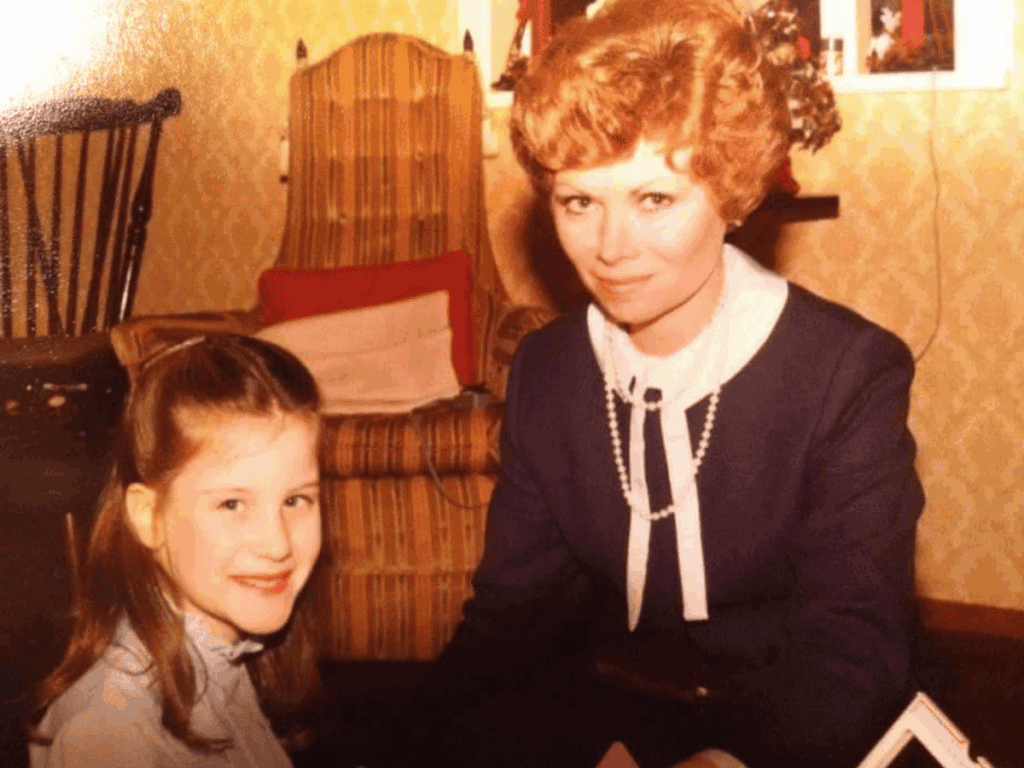
There is anger sometimes, even when there is nothing useful to be angry at.
There is also something else. A kind of adrenaline that kicks in when the anxiety gets too much to sit still with. For me, it showed up as movement. When my mom was settled and comfortable in her chair, sometimes I would lace up my shoes and go for a walk. Or find something to clean. Or keep myself busy in any way that meant I didn’t have to sit with what I was watching happen.
I called it avoidance, and it made me feel tremendous guilt.
Looking back, I think it was survival. My nervous system needed somewhere to put everything it was holding. When you love someone that much, and the love can’t fix anything, the body finds another outlet. That does not make you a bad daughter, or a bad caregiver, or someone who didn’t care enough to stay in the room.
It makes you human.
The Guilt That Moves In and Stays
Guilt is a constant companion in this kind of grief. It arrives early and it lingers long after everything else has settled.
You feel guilty for needing a break from something you would never give back. Guilty for the moments of relief when they are resting and you have a quiet hour to yourself. Guilty for grieving someone who is still alive, because it feels like a betrayal of the time you still have. Guilty for getting on with ordinary life like grocery runs, work calls, laughing at something on television when extraordinary things are happening just down the hall.
What I Carried
I made choices during that time that I have sat with many times since. Choices that came entirely from love, and that still manage to find me in the middle of a busy day and that wake me in the middle of the night. I think that is just part of this kind of grief. The love does not stop asking questions, even after everything is over.
Here is what I know, even through the guilt: everything I did came from wanting her to feel safe. Comfortable. Cared for. Not afraid. If I could go back, I would do it the same way. That doesn’t make the guilt disappear. It just means I can hold it alongside the truth of why I made the choices I made.
If you are navigating a time like this or carring the weight of a changing season in your life, I created a small guide that may just be right for you. It’s called When A Season Ends, and it’s free. Get your copy here.
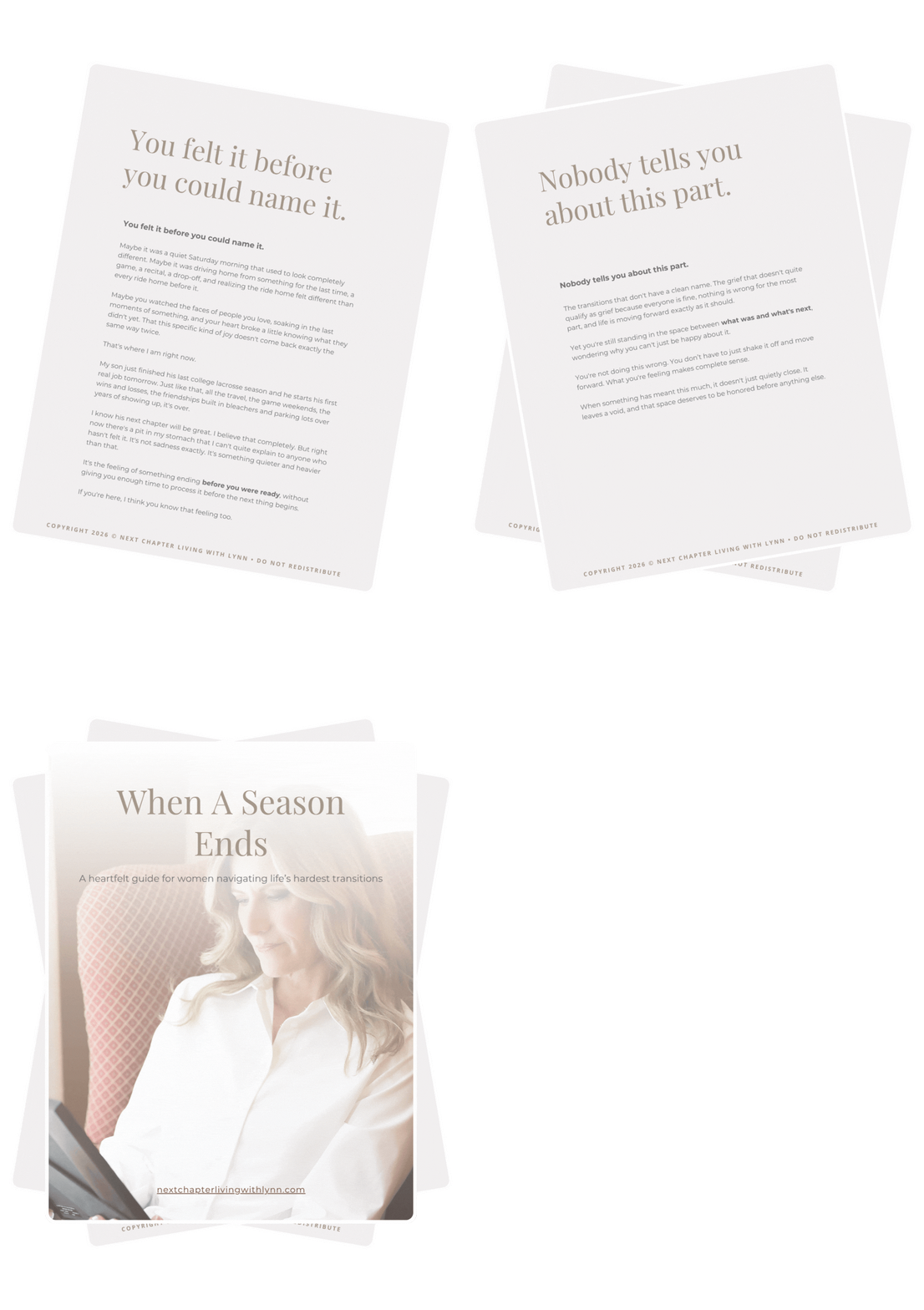
Nobody tells you about this part.
When a Season Ends is a FREE reflection guide for women navigating loss, change, and the season that comes after.
Sent straight to your inbox.
What You Hold Onto When the Time Has Changed
There is no perfect way through this. No five steps that make the grief manageable or the guilt disappear. What I can tell you is that you can still be present, even while you are grieving. The grief does not have to take over every moment, even when it feels like it wants to.
During a visit, try to find one real moment and let that be enough. A look she gives you. Something she says that sounds exactly like her. A hand held. A familiar laugh. One moment. That counts.
Give yourself permission to feel what you feel without piling guilt on top of it. The sadness, the avoidance, the exhaustion, the love. All of it belongs here. None of it makes you a bad daughter or a bad caregiver. None of it makes you wrong.
Keep living while this is happening. I mean that. Taking that walk was not abandonment. Laughing at something was not disrespect. Getting through your days was not moving on. It was just getting through, and that took more than most people will ever understand.
On the really hard days it helps to come back to something small. Not a plan for your whole life. Just today. What is one thing you can do today that counts, whatever kind of day you are having?
I actually made something simple for exactly that kind of day. It is called Your Plan For Today and you can find it here.
This kind of grief is not a sign that you are doing it wrong. It is the direct result of loving someone completely, in a situation that love alone cannot fix.
You showed up. You stayed. You protected them the best way you knew how.
That matters. Even when it doesn’t feel like enough, it was enough.